-
طريق شونهوا، مدينة جينان، شاندونغ

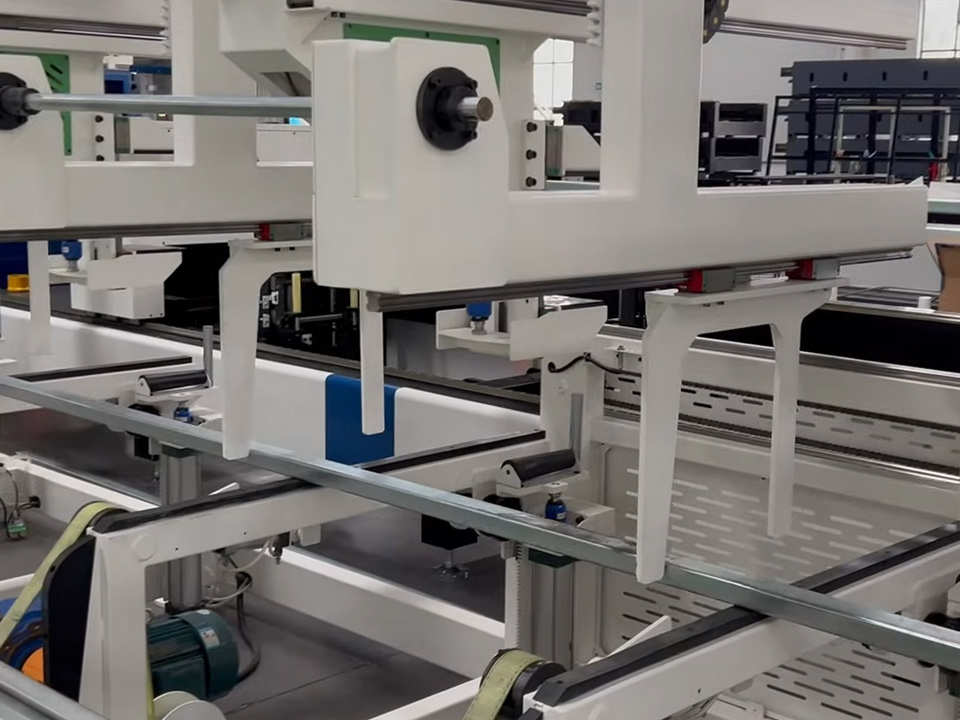
Custom Manufacturing Using Industrial Laser Cutting Machines
Most articles on industrial laser cutting machines read like sales copy. This one does not. I break down where custom manufacturing wins with laser cutting, where it fails, what 2024 data says about throughput, energy, labor, and quality, and how smart buyers separate machine specs from real production value.

Three words matter: throughput, tolerance, margin.
I’ve watched too many buyers stare at a shiny cutting demo, nod at the clean edge, and then make the oldest mistake in fabrication: they buy machine power instead of buying production logic, which is why some shops turn a laser into a profit center while others turn the same asset into a loud, expensive way to burn cash. Why does that keep happening?
The hard truth about custom manufacturing
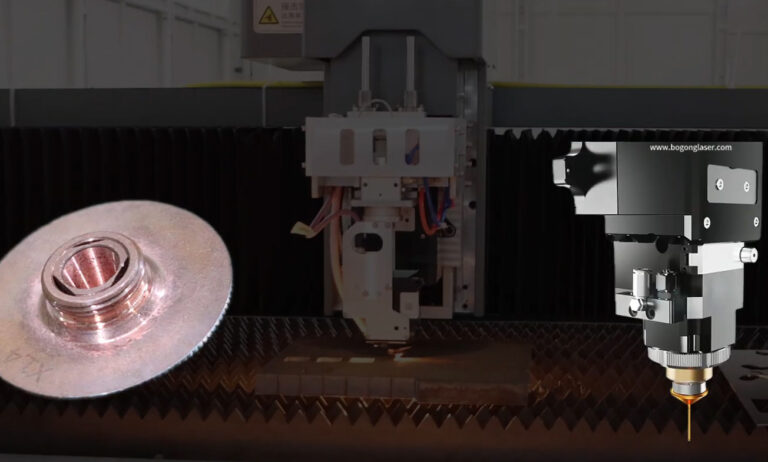
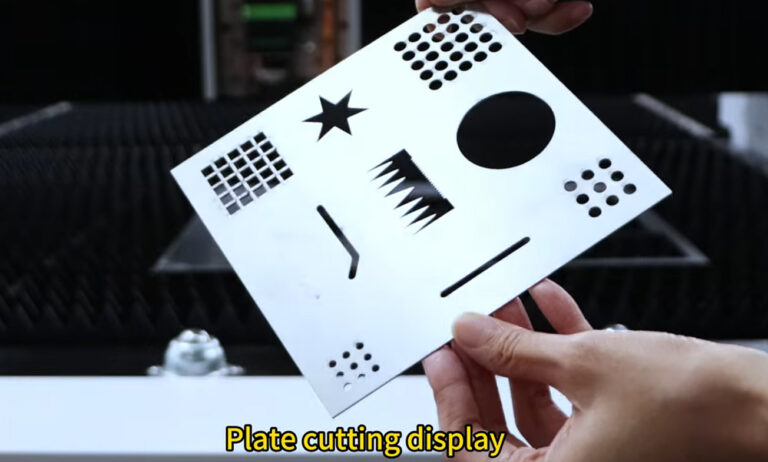
Custom manufacturing using industrial laser cutting machines works best when part variation is high, setup time must stay low, and customers keep changing drawings after the quote is already on someone’s desk. That is where digital cutting earns its keep. No hard tooling. No waiting for punches or dies. No pretending that revision control is “a small issue.”
But let’s stop pretending every job belongs on a laser.
If your parts are simple, thick, repetitive, and measured in brutal volume, a laser is not always the cheapest answer per part. Shops lose money when they treat industrial laser cutting machines like a magic fix instead of one station inside a chain that still includes nesting, loading, unloading, deburring, inspection, quoting, and shipping. A 2024 Springer case study on industrial laser cutting found that the processing state drove 55% of overall energy performance for single sheets and 71% in batch processing. I read that as a management warning, not just an energy note: your schedule discipline matters almost as much as your beam.
That’s the part vendors soften.
The U.S. Bureau of Labor Statistics shows how big and messy this sector really is. Fabricated metal product manufacturing had 61,063 private establishments in the fourth quarter of 2024, and the industry employed 57,980 cutting, punching, and press machine operators in 2024. This is not boutique work. It is a giant operating system full of labor pressure, quality drift, and scheduling mistakes.
Why fiber laser cutting machines keep taking the work
Fiber lasers win because they fit how modern buyers behave: shorter runs, more revisions, tighter tolerances, and less patience. A 2024 study in المعادن on S355JR steel plates found that laser power, cutting speed, and auxiliary gas pressure materially affected surface roughness, dimensional accuracy, and cut taper, and the authors even trained an artificial neural network to optimize parameter selection. That tells you something simple: the machine is not the full product. Process control is.
And thickness still bites.
The same 2024 study states plainly that fiber lasers deliver high efficiency and precision on thin materials, while cut quality drops as thickness increases. That matches what many operators already know but some sales teams avoid saying out loud. Thin sheet metal laser cutting is where fiber systems often look brilliant. Push into thicker stock without the right gas settings, nozzle condition, and program logic, and your “premium process” can start shedding edge quality and time.
So yes, I like fiber laser cutting machines. I just don’t worship them.
For buyers exploring broader production workflows, it makes sense to compare laser cutting with adjacent processes and finishing needs. That is why a good supplier should be able to show not only laser machine applications across industries but also a broader portfolio of laser products and the manufacturing depth behind them on an about us page. A machine spec sheet alone tells you almost nothing about delivery risk.
What real manufacturing examples say, not what brochures say
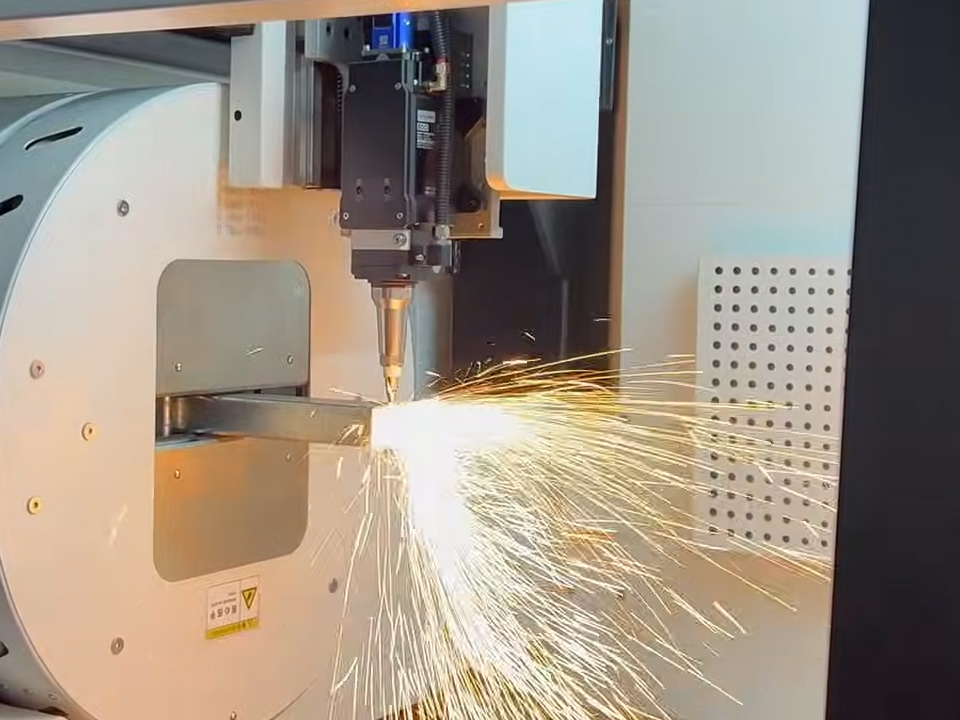
Here’s a clean public example. Reuters reported that the Paris 2024 Olympic torch was made from six tons of ArcelorMittal steel formed into 0.7-millimeter plates, then laser-cut, welded, and assembled in Normandy over a nine-month process. That matters because it shows where industrial laser cutting actually shines in public-facing production: thin-gauge precision, repeatability, clean geometry, and a finish standard nobody wants to fix by hand at scale.
Now for the less glamorous side.
A 2023 peer-reviewed study on multi-layer laser cutting of electrical steel sheets for electric machine laminations found that performance declines as stack count rises, affecting edge quality and magnetic performance. In plain English: once you start pushing custom metal fabrication laser cutting into stacked or more demanding performance-sensitive applications, the process window narrows and the cost of “almost right” rises fast.
That is why I get suspicious when a vendor says their machine handles “everything.”
It doesn’t. Nothing does. The serious question is narrower: what mix of materials, tolerances, nesting density, assist gases, part families, and downstream operations can your line support without trashing margin?
Where custom laser cutting services make money
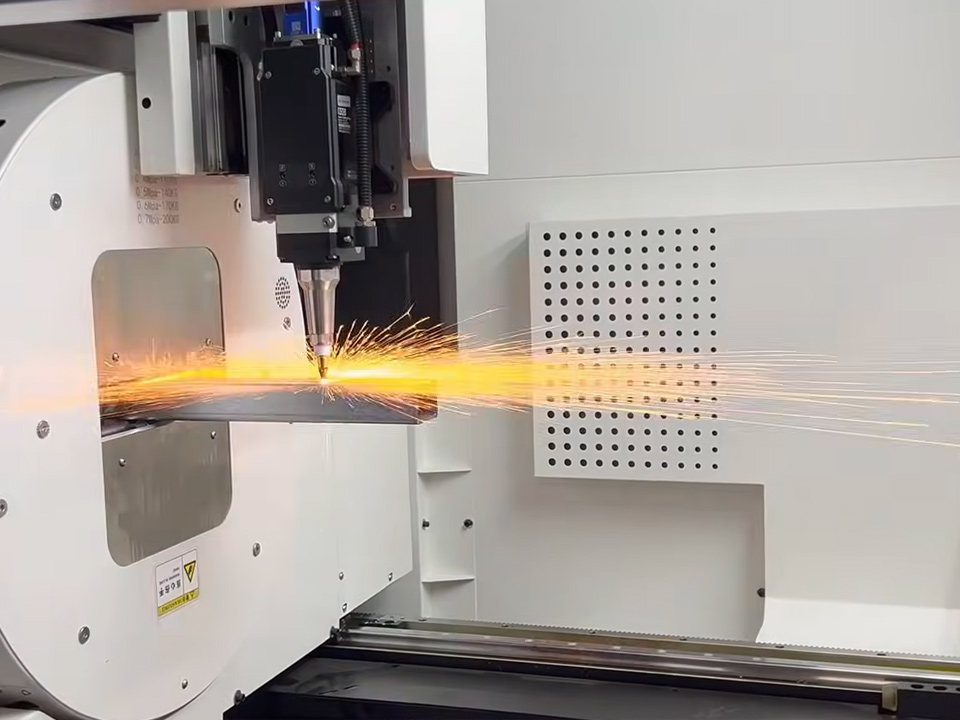
The best custom laser cutting services do not sell beam time. They sell decision speed. When a customer changes a tab length, moves a slot, swaps 304 stainless for mild steel, or cuts a pilot run from 300 parts to 47 parts, the winning shop adjusts without acting like the world ended. That flexibility is the real product.
And there is a market for it.
The Census Bureau’s 2024 M3 data showed fabricated metal product shipments at roughly $437.8 billion, up from about $428.3 billion in 2023. That does not prove every laser shop is healthy. It does prove buyers are still spending heavily in this category, and a well-run job shop has room to win if it protects setup discipline and quote accuracy.
Here is the comparison I wish more procurement teams used before signing anything:
| Decision Factor | Industrial Laser Cutting Machines | Mechanical/Punch Tooling | What I’d tell a buyer |
|---|---|---|---|
| Design changes | Fast to update from CAD/CAM | Often slower, tooling-dependent | Laser wins when revisions are frequent |
| Low-to-mid volume custom runs | Usually strong | Often less flexible | Laser usually makes more sense |
| Thick material economics | Can weaken fast | Sometimes more competitive | Run the math, don’t trust demo parts |
| Edge finish on thin sheet | Often very good | Depends on tooling and wear | Fiber lasers usually hold the edge |
| Setup burden | Digital, but still operator-sensitive | Tooling-heavy | Different pain, not less pain |
| Energy efficiency | Depends heavily on machine state and batching | Process-dependent | Scheduling discipline matters more than marketing |
| Best fit | Mixed parts, variable orders, fast response | Stable, repetitive part families | Choose by part family, not by hype |
The table looks simple. The buying decision is not.
How to choose an industrial laser cutting machine without getting fooled
Start with part mix, not wattage. Buyers asking for the best industrial laser cutting machine for manufacturing often begin with the wrong question, because “best” changes the moment your material, thickness, tolerance band, or order pattern changes. A job shop cutting 1 to 3 mm stainless kitchen components is buying a different answer from a plant running structural steel blanks all week.
Then inspect the ugly costs.
Assist gas consumption, lens contamination, nozzle wear, loading labor, nesting losses, scrap segregation, and maintenance response time will decide your real hourly cost far more than a polished sample board. The BLS injury data is also a reminder that fabrication is still physical work: the 2024 recordable injury and illness rate for fabricated metal product manufacturing was 3.2 cases per 100 full-time workers. Safety, enclosure design, fume extraction, and operator training are not side notes. They are production economics.
I’d also press any supplier on process range. Can they show how cutting integrates with marking, welding, or secondary identification when the customer needs more than a cut blank? Shops that understand adjacent operations usually build better manufacturing systems, which is why it helps to review related equipment such as a UV laser marking machine for traceability work or a 200W laser welding machine with CCD support when you’re planning a fuller production cell rather than a single standalone cut station.
The buyer mistake I see most often
People confuse clean cuts with good business.
A sample can look excellent and still be useless as evidence of production fitness. What matters is whether the supplier can hold tolerance on your material, in your thickness range, at your actual batch size, with your drawing revision habits, and still ship on time without hiding the scrap story. That is the difference between laser cutting manufacturing services and laser theater.
So when I hear, “Can this machine cut it?” I usually rewrite the question in my head.
Can this process quote it, nest it, cut it, inspect it, and deliver it profitably for twelve months after the sales engineer stops answering calls?
That is the real question.
الأسئلة الشائعة
What are industrial laser cutting machines used for in custom manufacturing?
Industrial laser cutting machines are digitally controlled systems that cut metals and other materials into precise shapes for variable, low-tooling production runs, making them well suited to custom manufacturing where designs change often, tolerances matter, and setup speed affects profitability. They are commonly used for brackets, enclosures, panels, electrical parts, signage, and prototype-to-production work.
Are fiber laser cutting machines better than CO2 systems for sheet metal laser cutting?
Fiber laser cutting machines are generally the stronger choice for modern sheet metal laser cutting because they offer fast cutting, high precision on thin materials, and good integration with digital production workflows, though the advantage can narrow when material thickness, finish expectations, or process settings move outside the ideal range. In practice, fiber tends to dominate current metal fabrication buying discussions for thin-to-mid gauge work.
How do I choose an industrial laser cutting machine for manufacturing?
Choosing an industrial laser cutting machine means matching machine capability to your real part mix, material thickness, assist gas strategy, automation needs, tolerance band, and labor model rather than buying the highest wattage or the flashiest sample board. I would start with five things: actual material range, repeat order pattern, nesting efficiency, service response time, and full hourly operating cost.
Is laser cutting always the best option for custom metal fabrication?
Laser cutting is not always the best option for custom metal fabrication because process fit changes with thickness, stack configuration, material sensitivity, edge requirements, and batch economics, and some demanding applications punish the process once you move outside its comfortable window. I would trust a supplier more if they tell you where the machine is weak.
Your Next Step
If you’re sourcing industrial laser cutting machines or comparing custom laser cutting services, do one thing before you request a quote: send the supplier a mixed batch of real parts, not a polished hero sample. Include thin material, one awkward geometry, one tolerance-sensitive part, and one revision-prone drawing. Then ask for cut quality, cycle logic, scrap assumptions, and delivery timing in writing.
That test exposes almost everything.
And if you want a supplier that can discuss cutting inside a larger manufacturing system instead of pitching a single machine in isolation, start by reviewing their laser machine applications, broader laser products, and company background on the about us page. In this business, the machine matters. The operating discipline matters more.


نقرة ساخنة
اتصل بنا
التطبيق
©Copyright [bogonglaser.com]. BOGONG Laser Machine Supplier All Rights Reserved.