-
Дорога Шуньхуа, місто Цзінань, провінція Шаньдун

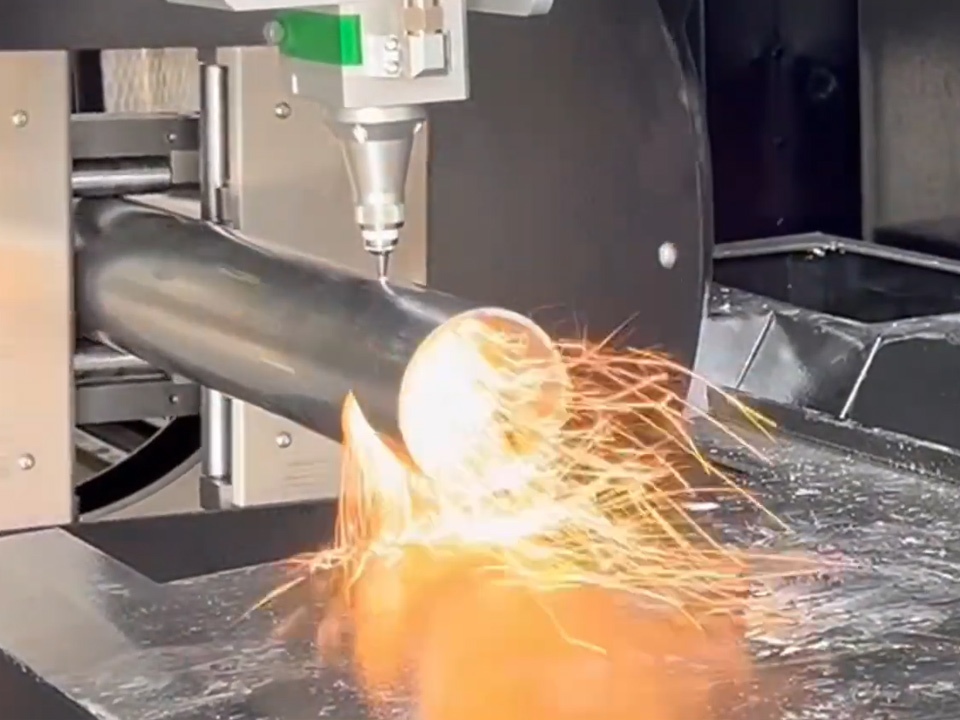
What Industries Use Laser Metal Cutting Machines Most
If you strip away the brochure language, the answer is simple: laser metal cutting machines follow volume, tolerance pressure, and margin. The industries that use them most are the ones that cut sheet and tube all day, hate rework, and cannot afford ugly edges or slow changeovers.

The blunt answer most suppliers avoid
Six sectors dominate.
But that neat little answer hides the real thing, and I frankly believe most industry articles dodge it because the honest version sounds less elegant: laser metal cutting machines go where the pain is worst—where sheet utilization, tolerance drift, setup waste, and last-minute drawing changes chew up margin faster than a sales team can smile through it. That’s why I still put automotive first, then general sheet metal fabrication and industrial equipment, then aerospace, then HVAC and electrical enclosure work, then medical-related fabrication, then electronics and battery hardware. It’s not a beauty contest. It’s a machine-hours contest. The U.S. Bureau of Labor Statistics’ fabricated metal manufacturing data makes that broader production base pretty obvious.
Why does that matter?
Because a laser metal cutting machine isn’t bought for show. It’s bought because some shop owner or plant manager got tired of slow changeovers, ugly burrs, excess jig dependency, or operators babying old processes that should’ve been retired three budgets ago.
Automotive still eats the most machine hours
Cars are brutal.
And the ugly truth is this: automotive doesn’t care about your marketing deck, your polished brochure, or the little spec-sheet flourishes people love to wave around at trade shows; it cares about parts per shift, scrap rate, repeatability, redesign speed, and whether your cut edge still behaves when real production chaos shows up at 2:17 p.m. on a Wednesday. That’s the test. Reuters reported that global sales of fully electric and plug-in hybrid vehicles rose by a quarter in 2024 to more than 17 million cars. That matters because every EV ramp pulls more metal parts into orbit—battery trays, brackets, shields, busbar-adjacent hardware, thermal management pieces, mounts, and enclosure components.
Then you look at Rivian. Reuters reported in 2024 that Rivian removed over 100 steps from battery-making, 52 pieces of equipment from the body shop, and more than 500 parts from the design of its flagship vehicles, alongside a 35% reduction in material cost for vans. That is manufacturing logic in plain clothes. Strip steps out. Strip parts out. Cut cleaner. Build faster.
You see the pattern?
That’s why laser cutting in automotive industry keeps showing up as a serious search theme. Real buyers in that sector are not asking whether laser cutting is “good.” They’re asking whether it can run stable on 1 mm to 6 mm material, hold cut quality when the nest gets dense, and stop wasting labor downstream.
And yes, when the discussion moves beyond cutting alone, adjacent processes matter too. For pretreatment and surface prep inside a metal workflow, pulse laser cleaning for metal preparation is a very natural next click.
Aerospace uses fewer parts than auto, but the pressure is higher
Fewer units. More scrutiny.
I’ve always thought aerospace is where weak machines get exposed fastest, because the vibe shifts immediately: nobody cares how sleek the cabinet looks once questions start flying about material certs, heat input, edge condition, traceability, lot control, and whether your process still behaves when titanium, stainless, or nickel alloys stop being friendly.
And 2024 made that even sharper. Reuters reported that the FAA was investigating whether false or incorrect documents were used to verify the authenticity of titanium used in some recently manufactured Boeing and Airbus jets. That sentence alone tells you how unforgiving this sector is. Documentation is not a side issue here—it sits right next to the part.
That changes everything.
So when people search laser cutting for aerospace parts, they’re really circling a more serious question: which cutting process can survive a sector where the paperwork matters almost as much as the metal? Brackets, cabin hardware, structural details, tooling plates, alloy components, prototype pieces—yes, those all matter. But the culture matters more. Aerospace rewards process discipline. It punishes sloppiness.
And if traceability becomes part of the conversation, it usually does, pages like CO2 laser marking systems for coded components і all-in-one fiber laser marking machines fit naturally into the internal linking path.
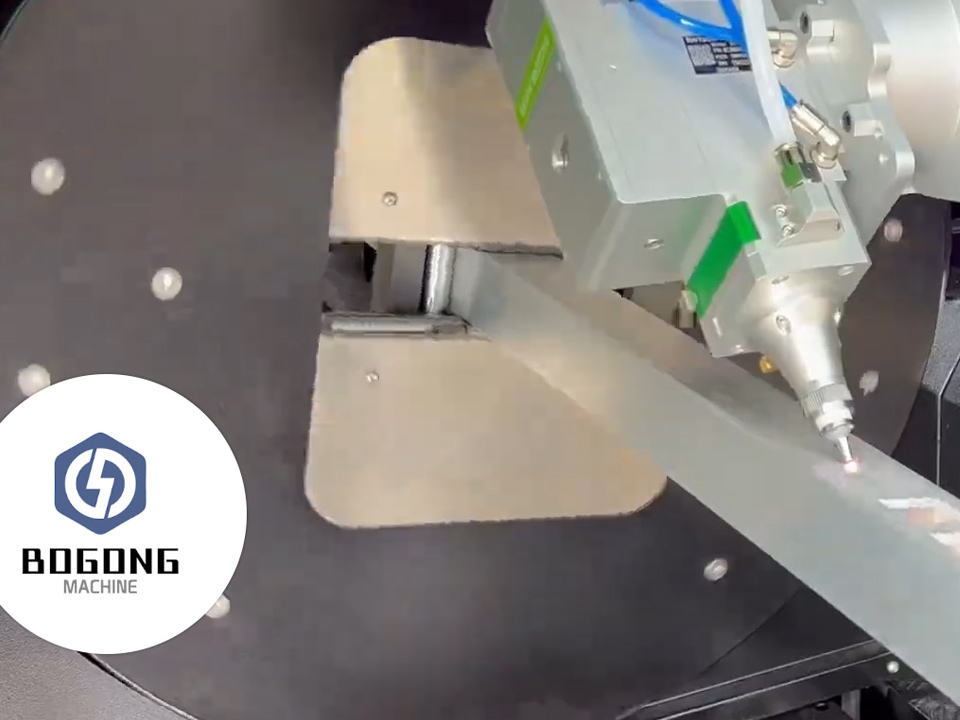
General fabrication, HVAC, and electrical enclosure makers quietly make up a huge share
This is the unglamorous center.
Not sexy. Still huge.
A lot of SEO content jumps straight to aerospace or medical because those sectors sound premium. Fine. But from my experience, the machine-hours story is often sitting somewhere much less glamorous—in shops pumping out cabinets, ducts, panels, racks, machine guards, doors, covers, mounting plates, and enclosure parts by the truckload. That’s where utilization gets real. That’s where nest density, assist gas cost, nozzle wear, and whether the operator has to touch up every third part actually affect the month’s numbers.
And the BLS page makes the broader point plain enough: fabricated metal product manufacturing is not a tiny niche. It covers a wide spread of operations and transformed metal products across the production economy. That’s exactly why so many buyers searching laser cutting machine applications aren’t chasing moonshots. They’re trying to ship metal boxes, formed parts, assemblies, and panels on time.
That’s the real market.
For those shops, the discussion often extends into marking, shallow engraving, and part identification. That’s why 3D fiber laser engraving for metal parts doesn’t feel random here—it feels operational.
Medical, electronics, and battery hardware are smaller in volume than auto, but faster in margin logic
Small parts. Serious money.
Yet this is where people get lazy with their analysis, because they assume smaller parts mean smaller strategic value. Not true. Medical fabrication, electronics hardware, and battery-adjacent metal components can be brutal environments for bad process control. Thin-gauge issues show up fast. Cosmetic flaws matter more. Repeatability matters more. Lot consistency matters more.
Reuters reported in January 2024 that U.S. inspectors uncovered new manufacturing problems at an Eli Lilly plant that had already been under scrutiny. Different product world, yes—but the lesson is the same one manufacturers already know: regulated sectors don’t reward improvisation for long.
Process discipline pays.
Then look at electronics and AI infrastructure. Reuters reported that the semiconductor index rose 65% in 2023, and that TSMC forecast more than 20% revenue growth in 2024. People hear “chips” and think only silicon. I don’t. I think racks, cooling housings, electrical hardware, shielding components, cabinet structures, mounts, frames, and the ugly metal backbone that supports the pretty part of the story.
That’s why the question what industries use laser cutting machines shouldn’t get a cute answer. It needs a blunt one. The biggest users are the sectors where redesign speed, defect cost, and throughput pressure all collide.
Where the machine earns its keep, by industry
Here is the cleaner breakdown.
| Промисловість | Typical laser-cut parts | Why laser wins | Pressure level |
|---|---|---|---|
| Автомобільна промисловість | body parts, brackets, battery trays, seat parts, shields | fast changeovers, lower tooling dependence, repeatability | Very high |
| Aerospace | brackets, structural details, cabin hardware, alloy parts | traceability, precision, material sensitivity | Very high |
| HVAC & Enclosures | duct parts, cabinets, panels, mounting plates | high daily throughput, nesting efficiency, low rework | Високий |
| Industrial Equipment | frames, guards, housings, machine panels | mixed-batch flexibility, robust sheet processing | Високий |
| Medical Fabrication | instrument housings, carts, brackets, stainless parts | tight quality control, cleaner edge expectations | Високий |
| Electronics & Battery Hardware | racks, covers, shielding parts, busbar-adjacent hardware | thin-gauge precision, redesign speed, compact assemblies | Високий |
The phrase best industries for laser metal cutting sounds smart, but I don’t love it.
The better question is uglier: where will the machine stay loaded often enough to pay back the capex without fantasy math? Usually that points to automotive suppliers, contract fabrication shops, HVAC metalwork, enclosure makers, and industrial equipment manufacturers before it points to the glamorous niches people like to brag about on LinkedIn.
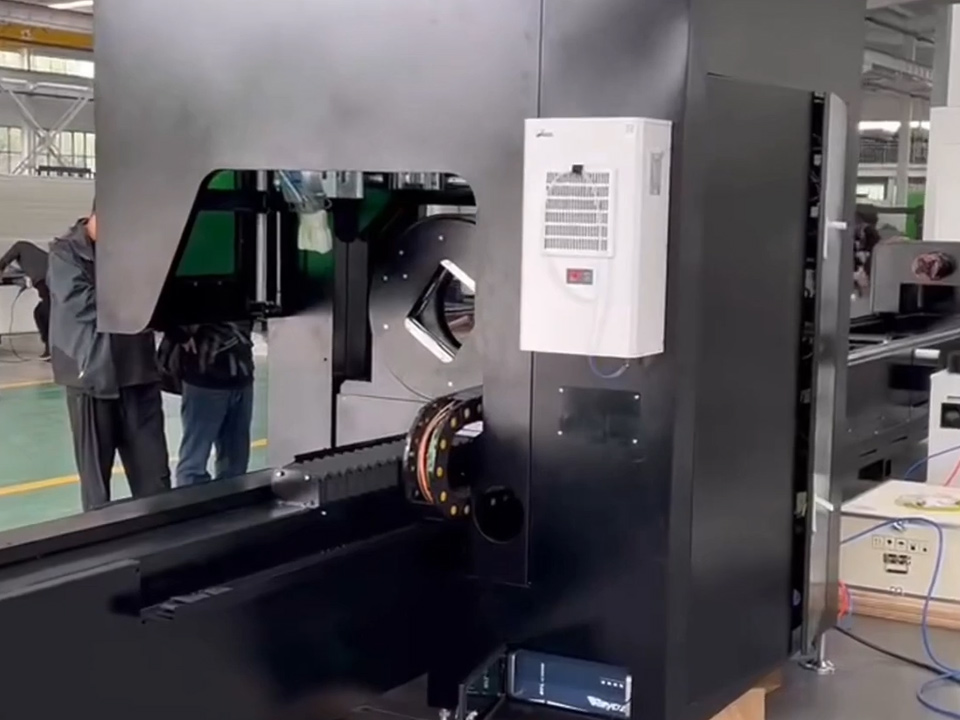
The sectors that look attractive, but are sometimes overrated
Not every niche is equal.
And that’s where I part company with the fluffy blog crowd. Decorative metalwork, boutique signage, one-off custom shops—sure, they use laser systems. Of course they do. But they are usually not the industries that use laser metal cutting machines most. They’re the sectors people like to photograph, not always the ones quietly racking up the deepest utilization.
I’ve seen this mistake a lot.
When someone searches sheet metal laser cutting industries, they usually don’t need a poetic tour of every possible application. They need to know where recurring demand lives, where engineering changes happen often enough to matter, and where a machine earns money because the work just keeps coming.
And when the conversation shifts into coded parts, branding, or multi-surface metal marking, 3D UV laser marking systems і 3D fiber laser engravers for metal make complete sense as part of the internal path.
My hard take on who really uses laser metal cutting machines most
Follow the incentives.
Here’s the ugly truth: the industries using laser metal cutting machines most are the ones where three headaches stack together—big part counts, frequent design variation, and rework that costs real money. Automotive checks all three. General fabrication usually does too. Aerospace checks them with lower volume but much nastier consequences. Medical and electronics do it with smaller parts and tighter process windows. That’s the hierarchy I’d defend in a room full of skeptical buyers.
So the short version?
Automotive dominates. Fabrication shops quietly consume huge hours. Aerospace pays for precision. Medical and electronics reward control.
That’s the map.
Поширені запитання
What industries use laser metal cutting machines most?
The industries that use laser metal cutting machines most are automotive, general sheet metal fabrication, aerospace, HVAC and electrical enclosures, industrial equipment manufacturing, medical fabrication, and electronics or battery hardware because these sectors combine high part volume, strict tolerances, and constant pressure to reduce rework and tooling delays.
But I’d go one step further: automotive usually leads because it burns through brackets, trays, shields, and structural parts at relentless scale, while fabrication shops keep machines busy on panels, frames, cabinets, and enclosures all day long. Aerospace uses fewer parts, but the quality pressure is harsher.
Why is automotive such a big user of laser metal cutting machines?
Automotive is a major user of laser metal cutting machines because vehicle makers and suppliers need fast changeovers, repeatable cut quality, and less dependence on hard tooling for prototypes, battery hardware, low-volume variants, and revised production parts.
And frankly, that’s what makes the sector so revealing: it strips away theory. Reuters’ EV sales reporting for 2024, plus Rivian’s cuts to battery-making steps, body-shop equipment, and vehicle part counts, all point in the same direction—factories want simpler builds and faster iteration.
Does aerospace really rely on laser cutting that much?
Aerospace relies heavily on laser cutting for selected metal parts, prototypes, and precision components because the sector values traceability, cut consistency, and stable process control, especially when working with costly alloys and sensitive documentation requirements.
It may not beat automotive in raw cut volume, but each cut often carries more consequence. The 2024 FAA investigation into titanium documentation used in some Boeing and Airbus jets is the kind of story that reminds you how little room this sector has for sloppy process discipline.
Your Next Steps
If you’re writing for buyers, don’t stop at “many industries use laser cutting.” That line says almost nothing.
Break the market by how factories actually suffer. Automotive for scale. Aerospace for traceability. Fabrication for machine utilization. Medical for process discipline. Electronics for dense, repeatable precision work. That framing is sharper, more believable, and honestly more useful to a serious reader.
And if you’re building internal content paths, connect this page naturally to pulse laser cleaning, CO2 laser marking, fiber laser markingі 3D metal engraving so the reader moves through the process chain instead of bouncing after one article.


Гаряча клавіша
Зв'яжіться з нами
Заявка
©Copyright [bogonglaser.com]. BOGONG Laser Machine Supplier All Rights Reserved.