-
Shunhua Yolu, Jinan Şehri, Shandong

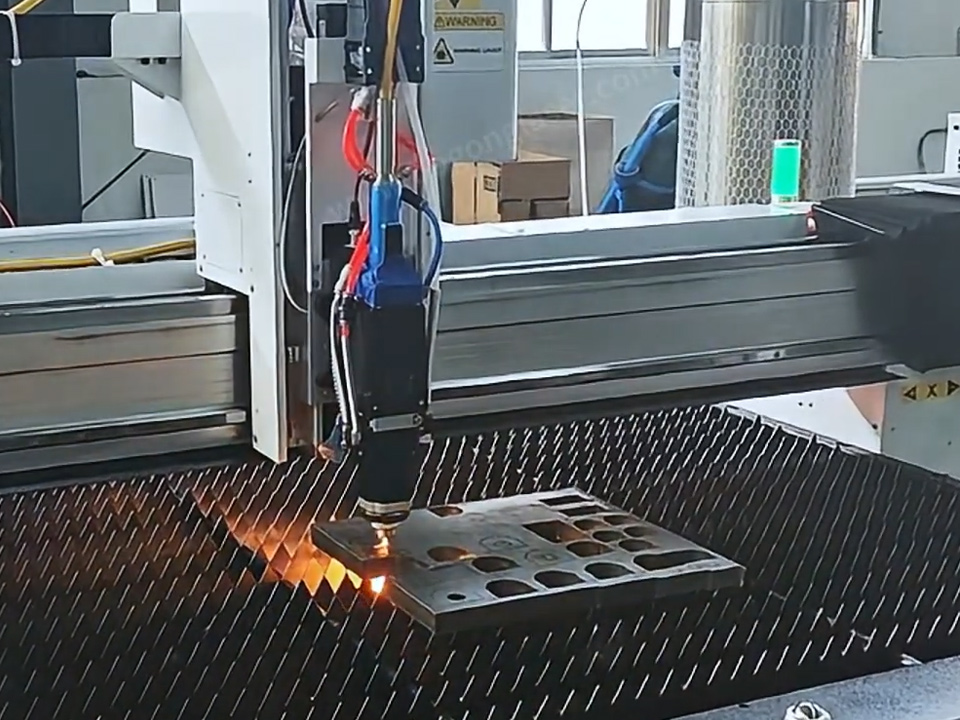
What Defines a True Industrial-Grade Metal Laser Cutting Machine?
Learn what separates a true industrial metal laser cutting machine from a dressed-up job shop unit, with hard specs, buyer traps, and factory-level benchmarks.

Most buyers guess.
And that’s exactly why this market keeps spitting out shiny, over-promised boxes with oversized wattage labels, slick demo videos, and “industrial” stamped all over the quote—then those same machines start coughing the moment they face actual plant conditions: heat drift, dirty assist gas, two-shift abuse, nervous operators, rushed nesting, and plate that doesn’t behave like the polished coupon from the showroom.
That’s the problem.
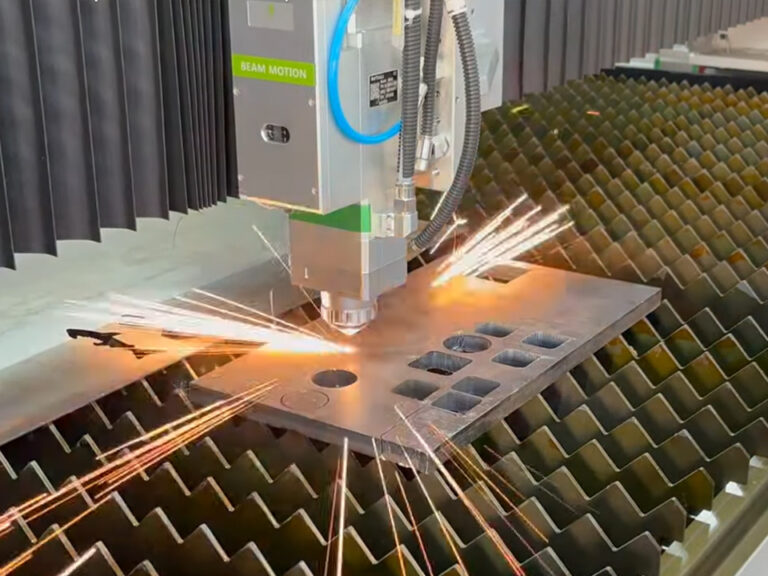
I’ve seen this too many times. A machine cuts beautifully for ten minutes in a controlled demo. Nice edge. Clean spark pattern. Sales rep smiling like he already has your deposit. Then the unit lands on a real shop floor, somebody loads mixed material, the nozzle gets fussy, the height follower starts acting weird, acceleration gets dialed back to hide vibration, and suddenly this so-called industrial metal laser cutting machine behaves more like a temperamental workshop toy.
So what defines a real one?
Not the brochure. Not the wattage sticker. And honestly, not the salesman’s confidence either.
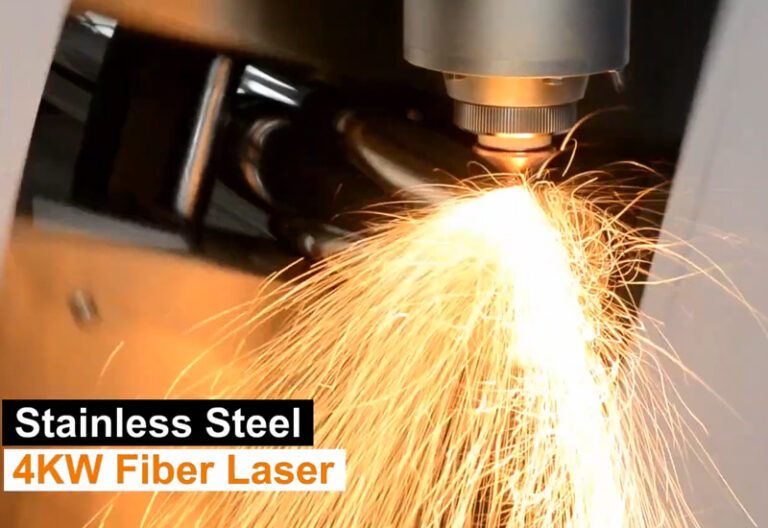
A true industrial-grade metal laser cutting machine is defined by what happens after the honeymoon period—after the install photos, after the training day, after the first batch of easy parts. Can it keep tolerance after weeks of thermal cycling? Can it hold cut quality on Monday morning and again at 1:40 a.m. on the late shift? Can it process stainless, carbon steel, aluminum, maybe brass, without turning every job into parameter roulette?
That’s the test.
I frankly believe the industry plays a dirty little game here. It sells aspiration instead of durability. A lot of builders know buyers get hypnotized by source power, cutting speed charts, and the phrase “high precision,” which, let’s be honest, means almost nothing now because everybody says it. Everybody. Even the weak machines.
But here’s the ugly truth: if the machine can’t deliver repeatable parts, manageable scrap rates, stable motion, usable software, safe operation, and predictable service intervals for years—not weeks—it isn’t industrial. It’s just expensive sheet-metal theater.
Start with the bed.
That part gets ignored by people who shouldn’t be buying equipment without a production engineer next to them. Heavy welded construction, stress relief, gantry rigidity, vibration suppression—those aren’t side notes. They are the backbone of whether the machine stays square when the workload gets ugly. Thin stainless in the morning. Thicker mild steel after lunch. Rush order at 5 p.m. Then overtime. That’s where the difference shows up.
And yes, I’m saying it bluntly: a powerful source bolted onto a flimsy chassis is still a flimsy machine.
Motion system matters just as much. Maybe more. A serious CNC metal laser cutting machine doesn’t just move fast; it moves clean. There’s a difference. Servo tuning, rack-and-pinion quality, guide rail stability, controller response, corner behavior, and acceleration recovery all have to work as one package. When they don’t, you get chatter, overshoot, slower real-world throughput, and operators quietly reducing speed because they don’t trust the machine. That happens more than sellers admit.
And software? People keep treating software like an accessory. Big mistake.
Because real margin often hides in the boring stuff—nesting logic, lead-in control, remnant reuse, pierce libraries, fly-cut behavior, collision management, edge compensation, operator interface design. A machine that saves 5% material on nested jobs is not “slightly better.” That can decide whether a job makes money at all, especially when material prices get nasty.
Safety separates the adults from the amateurs too. In June 2024, OSHA recorded a fatal incident involving an energized laser cutting machine, which is a brutal reminder that “industrial” is not just about throughput—it also means lockout readiness, guarding, interlocks, extraction, and training that survives the real factory floor rather than living in a binder no one reads.
That matters.
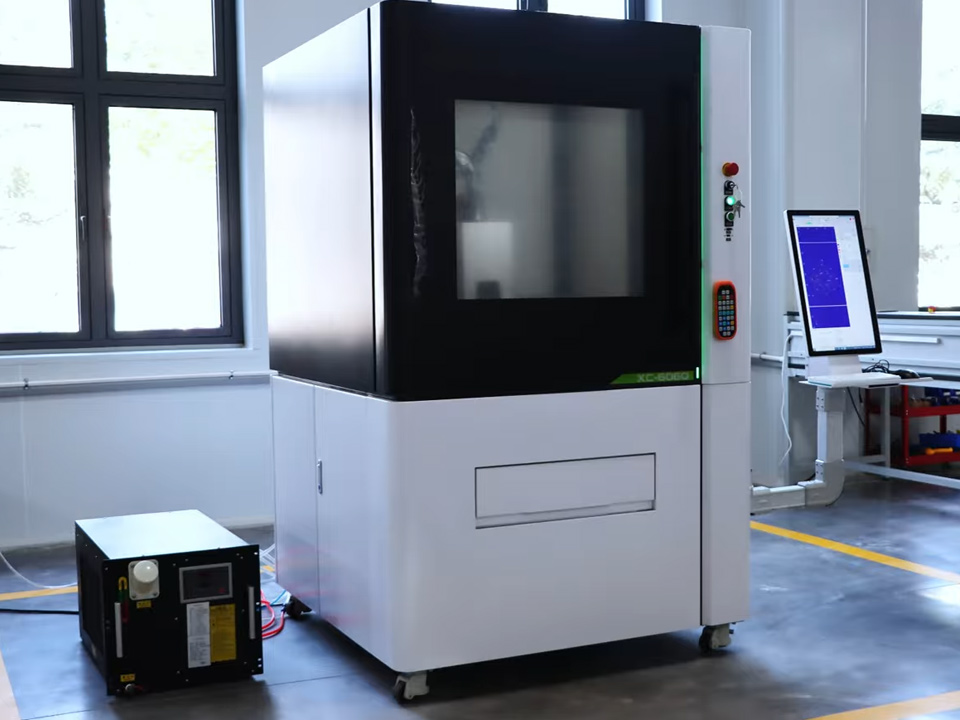
And yet, some buyers still act like safety hardware is a decorative extra. It’s not. It’s part of the machine’s identity. If the system can’t be operated and maintained safely under pressure, then I don’t care how pretty the sample cuts look.
Now let’s talk power, because this is where the internet usually loses its mind.
Higher wattage is not automatically better. Sometimes it is. Sometimes it’s just a more expensive way to make thin-sheet jobs feel dramatic. If your workload is mostly light-gauge stainless, enclosure panels, decorative work, signage metals, and smaller precision parts, a compact format can be the smarter money move. A lot of shops in that category start by looking at a small fiber laser cutting machine or another reduced-footprint platform because floor space, capital cost, and utilization matter more than bragging rights.
Different use case.
But if you’re processing thicker carbon steel in volume, or you need serious daily throughput and faster piercing on heavier stock, then yes, the upper-power range starts to justify itself. That’s where a high-power fiber laser metal cutting machine enters the conversation—not as a vanity purchase, but as a production tool that can actually change output economics when the job mix is right.
Notice the phrase there: when the job mix is right.
That’s why I get annoyed when people ask, “What’s the best industrial laser cutting machine for metal?” Best for whom? Cutting what? One shift or three? Nitrogen-heavy stainless work? Oxygen cutting on thick mild steel? Tight shop? Loose shop? Skilled operator or brand-new hire? These questions change everything.
Source integration matters too, and not enough buyers ask about it. A machine is not just a laser source. It’s a full process chain: source, cutting head, chiller, controller, servo package, gas train, capacitive height control, extraction behavior, wiring discipline, protection logic. If these systems weren’t tuned together, the machine becomes a parts catalog on wheels.
Anybody can assemble hardware. Very few can make it behave.
From my experience, the strongest builders think like production people, not like catalog designers. They care about nozzle centering drift, lens contamination intervals, assist-gas stability, sensor reliability, collision recovery, dust sealing, actual service access, and how quickly a technician can swap a component without turning the machine into a two-day headache. That is industrial thinking.
Not sexy. Still matters.
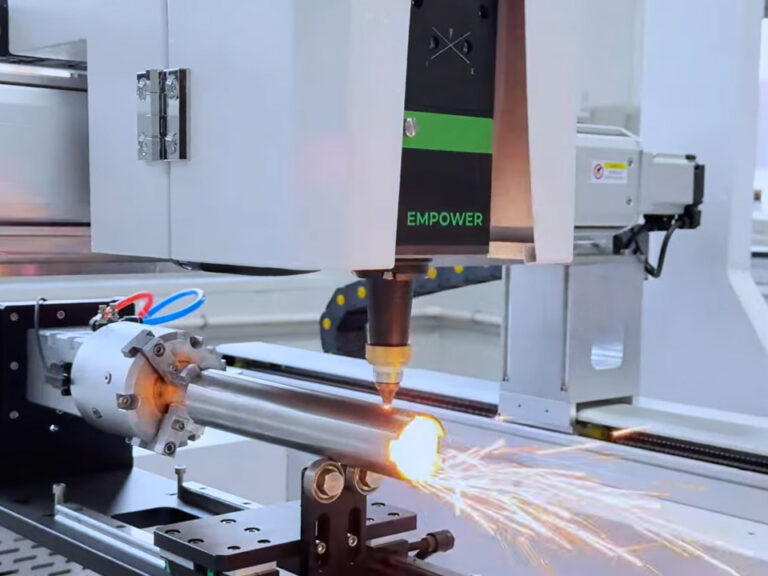
And then there’s automation, which changes the conversation fast. In a real factory, idle time is poison. Manual loading delays, awkward unloading, bad material flow, tube handling bottlenecks—these don’t always show up in a demo, but they murder output in the plant. So if the goal is steady production instead of occasional cutting, automation stops being optional. It becomes part of the machine’s value.
That’s why some buyers compare a standard fiber lazer kesim makinesi with a sheet-and-tube laser cutting machine or a dedicated automatic loading laser tube cutting machine. Not because they want more toys. Because the workflow demands it.
And don’t ignore downstream pain. A laser cutter doesn’t exist in a vacuum. If it produces unstable bevels, rough edges, hole taper, heat distortion, or too much dross, then your welding guys hate it, your grinding guys hate it, your throughput drops, and your actual part cost starts climbing in ways the purchase quote never mentioned. So no, the fastest machine on paper is not always the smartest buy.
Sometimes it’s the worst one.
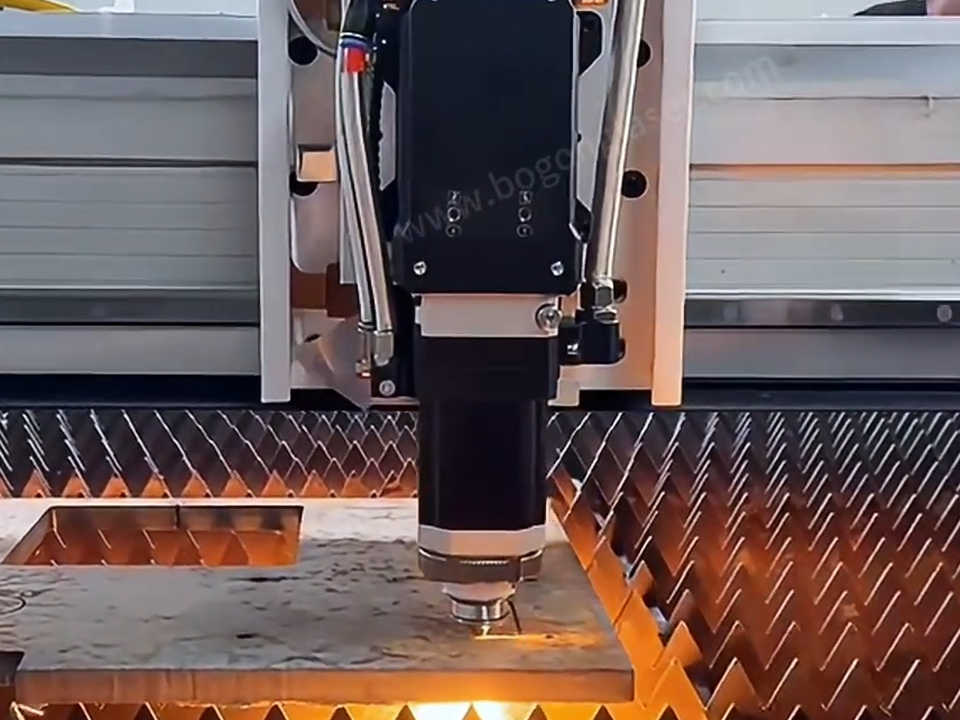
I also think buyers obsess too much over sticker price and too little over uptime. That’s backwards. You are not buying photons. You are buying stability—day after day, under mixed workloads, with real operators and real deadlines.
That’s why the economics matter more now than they did a few years ago. In March 2025, Reuters reported that expanded U.S. steel and aluminum tariffs were expected to hit a broad range of machinery-related products and drive input cost pressure across manufacturing. When material gets more expensive, bad cuts hurt more, scrap hurts more, setup mistakes hurt more, and sloppy nesting hurts more. Suddenly, the difference between a polished demo machine and a real production machine shows up straight in the margin line.
That changes buying logic.
Labor does too. BLS classification materials still place laser-cutting work within specialized metalworking operations, which is a quiet reminder that even with better controls and automation, this is not magic-box manufacturing. Setup, handling, process judgment, maintenance discipline—those still matter. The fantasy that cheap hardware plus software equals effortless production is, frankly, nonsense.
Here’s the screen I use when I’m judging whether a machine is truly industrial or just dressed up to look that way.
| Benchmark | True Industrial-Grade Laser Cutter | Dressed-Up Light-Duty Machine |
|---|---|---|
| Frame and bed | Heavy, stable, stress-managed structure | Lighter frame, more vibration risk |
| Duty cycle | Designed for continuous multi-shift work | Better suited to intermittent operation |
| Motion accuracy | Stable under repeated acceleration and heat load | Accuracy drifts under production pressure |
| Cutting consistency | Repeatable edge quality across materials and thicknesses | Good demo cuts, uneven production results |
| Safety system | Interlocks, guarding, extraction, lockout readiness | Basic compliance, weak real-world protection |
| Yazılım | Mature nesting, pierce libraries, remnant handling | Limited process control and workflow tools |
| Bakım | Accessible components, predictable service intervals | Harder to service, more reactive repairs |
| Otomasyon | Loader/unloader and production integration options | Mostly manual operation |
| Total cost of ownership | Lower over years if utilization is real | Cheap upfront, costly in downtime and scrap |
That table is simple. The reality isn’t.
Because a true industrial-grade laser cutter also needs a manufacturer behind it that understands post-sale life. I want to know how spare-parts lead time is handled. I want to know what the service structure looks like when the machine throws an alarm on a production day. I want to know whether the cut charts were built around ideal gas purity or real shop conditions. I want to know how easy it is to service the optics path without creating contamination risk.
Those are factory questions.
And factory questions usually scare weak sellers.
If the conversation stays stuck at “fast speed” and “high precision,” I start assuming the seller has nothing better to say. Those are default adjectives. They’re filler. What I want instead is detail—real detail. Lens life. Collision recovery. parameter library depth. edge quality at different thickness bands. controller learning curve. nozzle change stability. gas consumption assumptions. Those answers tell me whether the machine was built for work or for marketing.
And yes, plant safety infrastructure belongs in this discussion too. If the machine is going into an open environment, shared floor, or a site with tighter compliance expectations, things like a laser protective fence aren’t afterthoughts. They’re part of being serious.
I’ll go even further: there is no universal “best” machine. That idea is lazy.
A shop cutting decorative stainless for architectural work doesn’t need the same beast as a service center pushing thick carbon plate all day. A buyer who needs weld-prep geometry might be smarter looking at a bevel fiber laser cutting machine because secondary edge prep can quietly burn labor hour after labor hour. Another buyer with limited floor space and mixed materials may be better off with a smaller, better-tuned platform instead of a giant bed that sits idle half the week.
So when people ask me how to choose an industrial metal laser cutting machine, I usually answer with another question: what production mess are you trying to solve, and what does that mess actually cost you today?
That’s the real conversation.
Because once you strip away the glossy nonsense, the definition becomes pretty hard to argue with. A machine deserves the word “industrial” only when it protects people, maintains tolerance, survives workload abuse, supports the workflow around it, and still makes financial sense after the first excitement wears off.
Everything else?
That’s just noise with a power rating.
SSS
What is an industrial metal laser cutting machine? An industrial metal laser cutting machine is a production-grade system built to cut metal continuously with stable accuracy, integrated safety controls, durable motion hardware, process-specific software, and predictable maintenance under factory conditions. Put simply, it’s made for uptime, repeatability, and actual shop-floor output—not occasional cutting and not showroom theater.
What makes a laser cutting machine industrial-grade? What makes a laser cutting machine industrial-grade is its ability to maintain repeatable cut quality, positioning accuracy, safety performance, and service reliability during sustained multi-shift operation across real manufacturing workloads. In real-life terms, that means a rigid frame, sorted motion system, stable controls, decent extraction, reliable support, and process libraries that still work when the operator is tired and the schedule is ugly.
Can a CNC metal laser cutting machine reduce downstream labor? A CNC metal laser cutting machine can reduce downstream labor when it produces stable edges, accurate holes, consistent bevels, and better nesting that lowers scrap and handling time. That usually means fewer parts waiting for grinding, fewer fit-up problems in welding, fewer operator fixes, and smoother flow from cut blank to finished assembly.
If you’re trying to match a machine to actual production rather than brochure language, explore the full laser products range, review practical laser cutting machine applicationsveya contact the team with your material type, thickness range, and daily output target. That’s how serious buyers separate real industrial equipment from expensive noise.


Sıcak Tıklama
Bize Ulaşın
Uygulama
©Copyright [bogonglaser.com]. BOGONG Laser Machine Supplier All Rights Reserved.