-
Shunhua Road, cidade de Jinan, Shandong

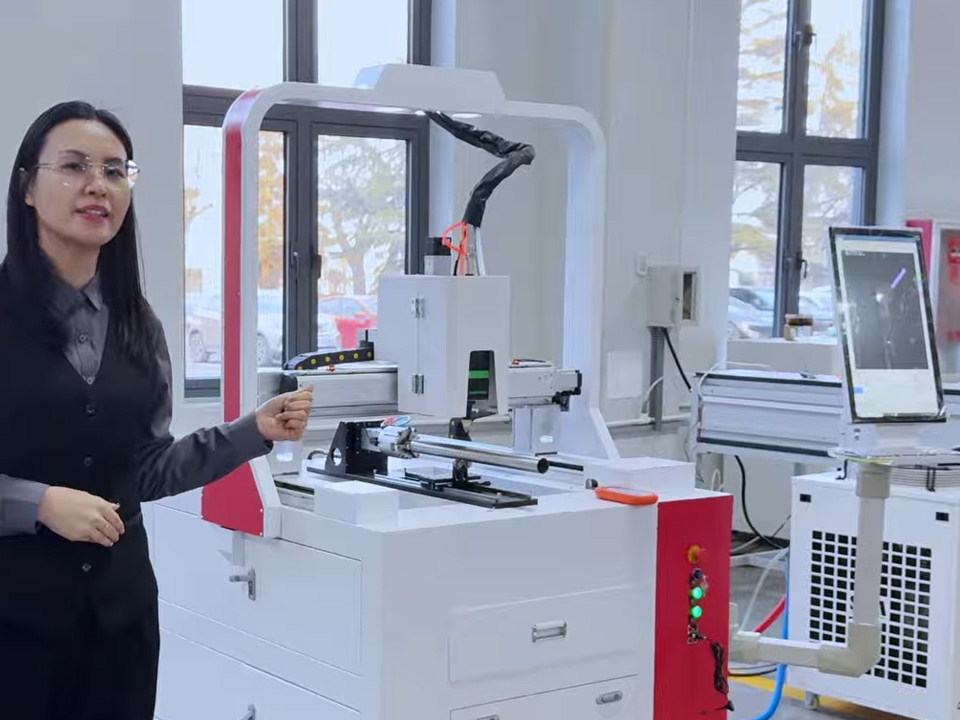
10 Industrial Applications Where Fiber Laser Cutting Machines Excel
Not every metal shop needs more laser power. Many need better fit between material, tolerance, throughput, and downstream cost.
This guide breaks down 10 industrial applications where a fiber laser cutting machine earns its place and where buyers still get fooled by spec-sheet theater.

Let me say it first: a máquina de corte a laser de fibra is not some miracle box that turns bad production planning into margin. I’ve watched too many shops buy on wattage, pose for the delivery photos, brag about 12kW or 20kW on LinkedIn, then spend the next six months choking on poor nesting, ugly dross, gas waste, and jobs that never really needed that much horsepower in the first place. It happens. A lot.
Three words: wrong fit hurts.
And that’s really the whole argument here. Not “Is fiber laser good?” That question is lazy. The better question is where it actually prints money, where it cuts rework, where it protects tolerance, and where it saves a shop from drowning in tooling changes and stop-start quoting chaos. Because some applications are perfect for it. Others? They just look good in brochures.
I frankly believe this is where buyers get trapped. They shop by spec sheet. Max power. Source brand. Table size. Maybe acceleration if they’re a bit more serious. But the real killers live elsewhere—motion control, gas stability, pierce strategy, nozzle condition, software logic, scrap evacuation, thermal drift, operator habits. That stuff isn’t sexy, so sales teams bury it. Here’s the ugly truth: the machine with the loudest brochure isn’t always the machine that makes the cleanest money.
So where does it win?
If you want the bird’s-eye view first, start with this fiber laser cutting machine overview. And if your workflow swings between flat stock and profiles, I’d also look at a tube and sheet metal cutting machine, because buying two systems too early is one of those decisions that sounds bold and ends up looking expensive.
The short version is simple. Industrial fiber laser cutting applications expand wherever part complexity rises, material thickness stays in a workable band, revision frequency is high, and nobody wants to keep paying for fresh tooling every time engineering changes a hole pattern on a Tuesday afternoon. That’s the sweet spot. Fast turnaround. Clean geometry. Less nonsense.
Below are the ten applications where fiber laser usually earns its keep—and, just as important, why.
1. Electrical cabinets and control enclosures
This one’s obvious to anyone who’s actually spent time around panel work. Enclosure jobs are full of repetitive but picky geometry: vents, hinge cuts, lock cutouts, cable entries, breaker openings, mounting patterns, gland plate slots. It looks simple from a distance. It isn’t. One small drift in hole position, one bad edge around a bend zone, one warped panel, and downstream assembly turns into a slow headache nobody wants to own.
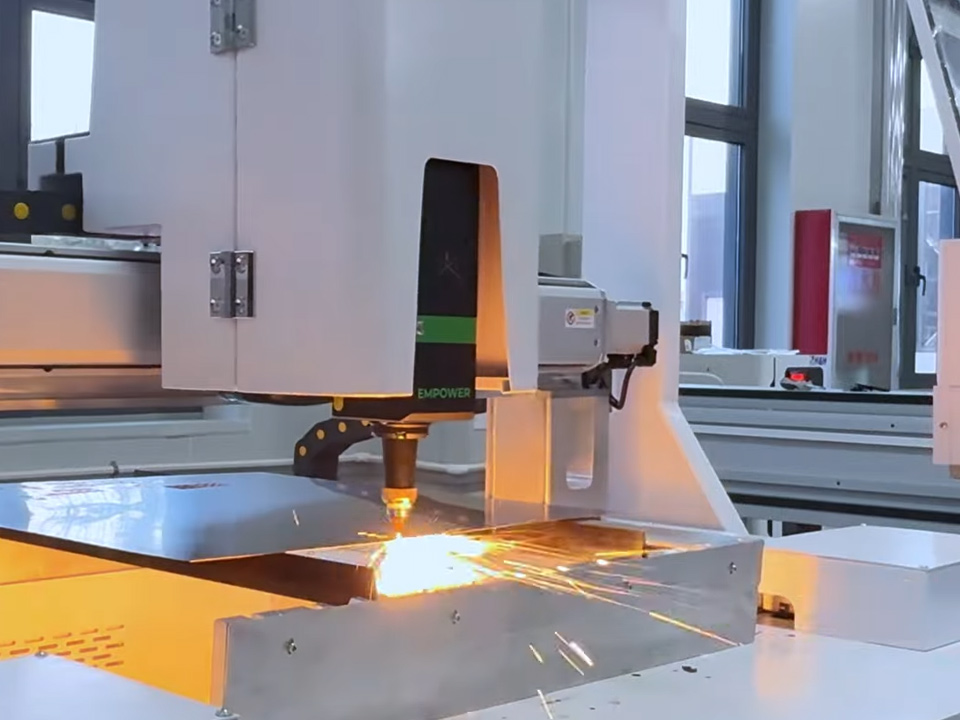
That’s why sheet metal fiber laser cutting fits cabinet production so well. Not because it’s flashy. Because it’s stable when the job mix includes 1.0 mm, 1.5 mm, 2.0 mm, maybe 3.0 mm cold-rolled steel or stainless, and the shop needs fast drawing-to-part conversion without leaning on hard tooling every time the electrical engineer changes the layout. This is where cut quality and revision speed beat brute force.
And no—bigger isn’t always better here. If the work is compact, repeatable, and mostly small-format parts, a small fiber laser cutting machine may be the smarter buy. Less wasted footprint. Better utilization. Lower regret.
2. Server chassis and data center hardware
Now we get into the fussy stuff.
Server chassis work is where weak machines get exposed fast, because these parts are packed with vents, tabs, perforation fields, slot arrays, I/O openings, fan patterns, and mounting details that look harmless until heat distortion, burr, or tiny positional drift starts stacking up across a batch. Then suddenly the chassis doesn’t assemble cleanly, powder coat behaves badly, or the bend line starts tattling on your cut quality.
That’s why this is one of the strongest fiber laser cutting machine uses in modern fabrication. Thin sheet. Dense features. Real tolerance sensitivity. A shop building racks, trays, bracketry, faceplates, or telecom housings needs more than raw wattage. It needs a clean beam path, solid motion tuning, stable gas delivery, decent controller logic, and enough process discipline to stop dense cut zones from cooking the part. That’s the part sales decks never romanticize.
And this is exactly why people searching for a precision server chassis cutting machine should stop obsessing over max kW and start asking uglier questions—about jerk values, edge taper, heat-affected behavior, and whether the machine stays honest on thin-gauge stainless after a full shift.
3. HVAC ducting, brackets, and ventilation components
Volume matters here. So does boredom.
HVAC parts aren’t glamorous. They’re repetitive, price-sensitive, and absolutely brutal on inefficient workflows. Flanges, support tabs, mounting brackets, collars, vent panels, filter frames, access covers—tons of them, often in galvanized stock, usually on tight delivery schedules, with part mix that changes just enough to punish anyone who depends too heavily on fixed tooling.
Fiber laser handles that mess well. Especially when the shop is cutting thin to medium-gauge galvanized or mild steel and wants decent throughput without slowing down every time a hole pattern changes. It’s not just about speed, though everyone loves to say speed. It’s about flexibility without chaos. That’s different.
But let’s not sugarcoat it. Galv can be annoying. Coatings behave differently, edge cleanliness matters, and sloppy gas settings will absolutely show up later in forming or fastening. I’ve seen shops brag about cycle time while quietly ignoring the fact that half the “saved” time gets burned cleaning up nonsense downstream. That’s fake efficiency.
4. Automotive brackets, seat structures, and prototype components
Here’s where the sales copy usually gets carried away. No, fiber laser does not replace every stamped automotive process. Don’t buy that line. High-volume repetitive automotive production still belongs to other methods in many cases. But for prototyping, pilot runs, battery tray components, support brackets, fixture parts, seat hardware, and weird low-to-mid volume geometry changes? Fiber laser is a workhorse.
That’s the real value.
Engineering changes fast in vehicle programs. Sometimes stupid fast. A tab moves. A slot gets resized. A relief cut shifts 2 mm because another team found an interference problem. If every adjustment drags tooling cost and extra delay behind it, the whole program starts bleeding time. Fiber laser gives teams a way to cut, check, change, and cut again without turning every design revision into a finance meeting.
This is one reason laser machine applications keep showing up in transport-related manufacturing conversations. Agility matters. More than people admit.
And yes, if the workload starts leaning into heavier plate, bigger daily volume, or aggressive throughput targets, then comparing with a 6000W to 40kW high-power fiber laser metal cutting machine makes sense. Just don’t let ambition outrun job reality.
5. Agricultural and construction equipment parts
This sector doesn’t always get enough attention in laser discussions, which is odd because it’s full of parts that fit the process beautifully—mounting plates, reinforcement tabs, guards, access covers, linkage parts, brackets, gussets, structural aids, oddball geometries that change just often enough to make fixed tooling annoying but not often enough to justify chaos.
And that’s the key.
Agricultural and construction OEMs often live with a messy product mix. Seasonal swings. Variant-heavy assemblies. Prototype spillover. A little engineering drift here, a little customization there. In that kind of environment, fiber laser brings breathing room. Faster edits. Cleaner part files. Less dependency on physical tooling every time somebody wants a revised cutout or altered mounting pattern.
If weld prep matters later—and it often does—then a bevel fiber laser cutting machine for groove cutting and chamfering becomes worth a serious look. Because saving a few seconds in cutting only to dump labor into prep later is not a win. It just hides the cost in a different department.
6. Elevator panels, stainless decorative parts, and architectural metalwork
Looks matter. End of story.
Architectural metalwork is where shops find out whether their cutting system is actually refined or merely fast. Decorative stainless screens, lift panels, trim elements, façade inserts, feature panels, custom signage, ornamental cutouts—these jobs punish ugly edges. Oxidation shows. Micro-burr shows. Heat tint shows. Scratch damage definitely shows. And unlike industrial brackets, nobody shrugs it off and says “good enough.”
Fiber laser excels here because it handles intricate geometry without demanding a new die every time a designer changes a pattern. That flexibility is gold. But the shops that really make money in architectural work aren’t only the shops with strong cutting. They’re the ones with disciplined handling after the cut—protective film management, part separation, stack control, clean unload habits. I’ve seen beautiful stainless jobs ruined by careless handling within three minutes of leaving the bed.
That’s not a laser problem. That’s a shop problem.
7. Sheet metal furniture and commercial fixtures
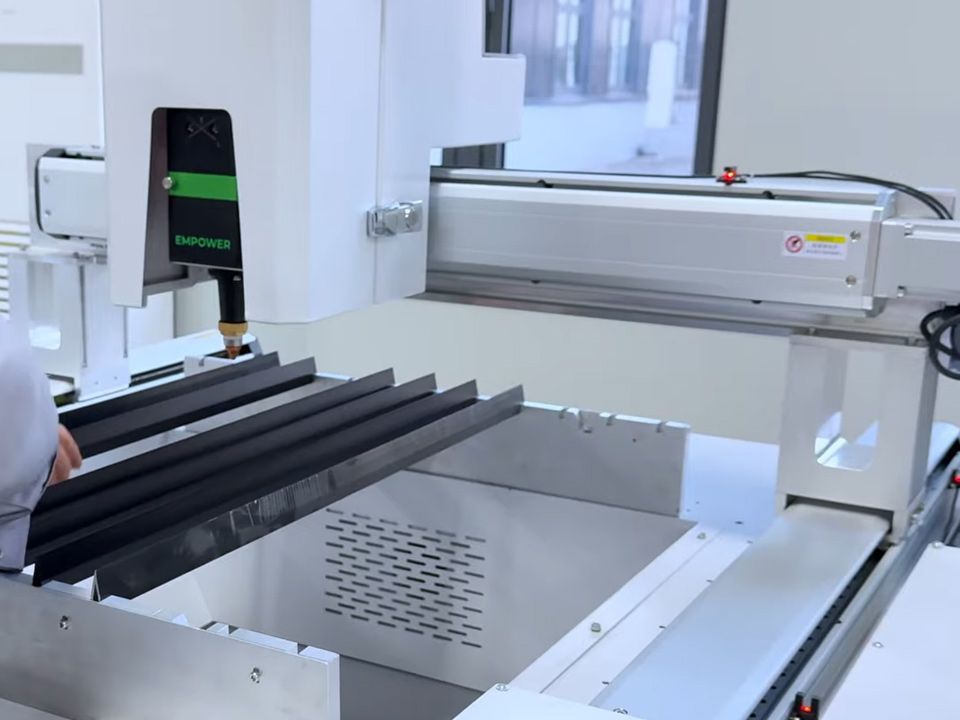
Retail fixtures, lockers, cabinets, benches, shelving systems, display walls, point-of-sale housings, steel desks—this whole category is a quiet goldmine for how fiber laser cutting machines are used in industry because it mixes repeat production with just enough product variation to make tooling-heavy methods annoying. Branding changes. Dimensions change. Hole spacing shifts. One client wants a slot pattern. Another wants perforation. A third wants cosmetic cutouts because marketing got involved.
Sound familiar?
A fiber laser handles that churn well. Especially in thin-gauge sheet where repeat tabs, hinge features, folded edges, and slot alignment all need to land where they’re supposed to. Shops in this space often talk about productivity, but from my experience the bigger win is responsiveness. You can quote more kinds of jobs without panicking every time the design moves.
8. Fitness equipment and fabricated tube-sheet assemblies
This is one of those applications outsiders underestimate because they think only about the visible frame. But fitness equipment is a messy marriage of tube, flat parts, brackets, cover plates, gussets, pedal structures, selector components, and support hardware that all need to meet cleanly in assembly. If one family of parts drifts, the whole product starts looking cheap.
A strong máquina de corte a laser de fibra setup keeps those flat parts consistent, especially when the business already runs tube-cutting elsewhere and needs sheet components to behave with the same level of precision. That’s why mixed-workflow planning matters so much. Thinking about flat parts alone is a mistake.
For factories doing real volumes in both formats, an automatic loading laser tube cutting machine can pair naturally with flat-sheet cutting and tighten the whole fabrication chain. Not glamorous. Effective.
9. Appliance panels and consumer durable metal parts
Appliance work is repetitive in a way that exposes weakness fast. Access covers, back panels, internal supports, vented shells, bracket systems, liner supports, service panels, reinforcement strips—none of them look dramatic, but they demand consistency because they flow into forming, coating, fastening, and assembly with very little tolerance for drift.
That’s why fiber laser works well here. Not because it makes a prettier demo part at a trade show. Because it supports steady, repeatable production across a lot of SKUs without dragging a massive tooling burden behind every model revision. When production teams need to switch patterns and keep dimensional sanity, laser starts making real sense.
Still, buyers get fooled here all the time. They buy wattage when they should be buying stability. Controller quality. Gas control. Software. Service. Predictability. A machine that looks weaker on paper can outperform the so-called monster if it stays stable across actual shifts and actual part families.
10. Precision metal job shops and prototype fabrication
This is where fiber laser really shows its character, because job shops don’t live in neat categories. One day it’s packaging-equipment brackets. Next day it’s custom covers, motor plates, robotics tabs, sensor mounts, food machinery guards, random service parts, weird one-off prototype frames, maybe a small enclosure run nobody planned for until yesterday afternoon.
That kind of chaos is exactly why fiber laser metal cutting applications stay relevant. The machine isn’t just a cutter. It’s a scheduling tool. A quoting tool. A flexibility tool. A way to say yes to work that would otherwise get rejected because setup friction is too high.
But let me be clear: smart job shops don’t worship the laser. They know when punching still wins. They know when waterjet makes more sense. They know when “good enough” edge quality is actually future scrap wearing a fake mustache. That judgment matters more than machine branding.
Where a fiber laser cutting machine wins hardest
Here is the blunt version.
| Aplicativo | Typical Material Focus | What Fiber Laser Does Best | Common Buyer Mistake |
|---|---|---|---|
| Electrical cabinets | CRS, stainless, galvanized sheet | Fast cut changes, hole accuracy, nesting efficiency | Overbuying power for thin sheet |
| Server chassis | Thin steel, aluminum, stainless | Fine vents, tabs, perforations, repeatability | Ignoring motion stability and heat control |
| HVAC components | Galvanized and mild steel | High-volume thin sheet throughput | Underestimating coating behavior |
| Automotive prototypes | Steel, aluminum | Rapid iteration and fixture support | Assuming it replaces every stamping task |
| Agricultural equipment | Mild steel plate and sheet | Flexible production for varied parts | Focusing only on top speed |
| Architectural metalwork | Stainless, decorative metals | Pattern complexity and visual edge quality | Neglecting scratch control after cutting |
| Metal furniture | Thin-gauge steel sheet | Efficient custom and mid-volume runs | Poor nesting strategy |
| Fitness equipment | Mixed tube-sheet assemblies | Consistent mating parts and assembly fit | Treating flat-cutting in isolation |
| Appliance parts | Coated steel, stainless | Repeatability across many SKUs | Buying watts instead of process stability |
| Job shops | Mixed metals and gauges | Broad flexibility across customer demand | Accepting bad cuts to save cycle time |
What industries use fiber laser cutting machines most effectively?
More than people think.
The best-fit sectors are usually enclosure manufacturing, data center and telecom hardware, HVAC fabrication, appliance production, architectural stainless work, automotive prototyping, agricultural machinery, construction equipment parts, commercial furniture, and mixed-workload job shops. The pattern isn’t random. These industries all reward fast changeovers, tight repeatability, decent fine-feature control, and lower dependence on hard tooling.
That’s the common thread.
What separates strong buyers from weak buyers?
I’ll be blunt. Weak buyers buy theater. Strong buyers buy process.
Weak buyers ask about price first, power second, delivery third, and then toss in some vague question like “Can it cut stainless?” as if that tells them anything useful. Strong buyers ask what actually matters: gas consumption by thickness range, pierce behavior, servo stability, nozzle centering, thermal drift, motion smoothness, nesting efficiency, edge condition on their actual material, scrap removal, and whether service support still exists after deposit day.
And yes, they also check whether the supplier has a real about us page and a reachable contact team, because a cheap machine with weak support is just an expensive delay wearing fresh paint.
The practical rule I use
Match the machine to the part family—not to your ego, not to a sales deck, not to that weird panic buyers get when they think more kilowatts automatically means more future-proofing.
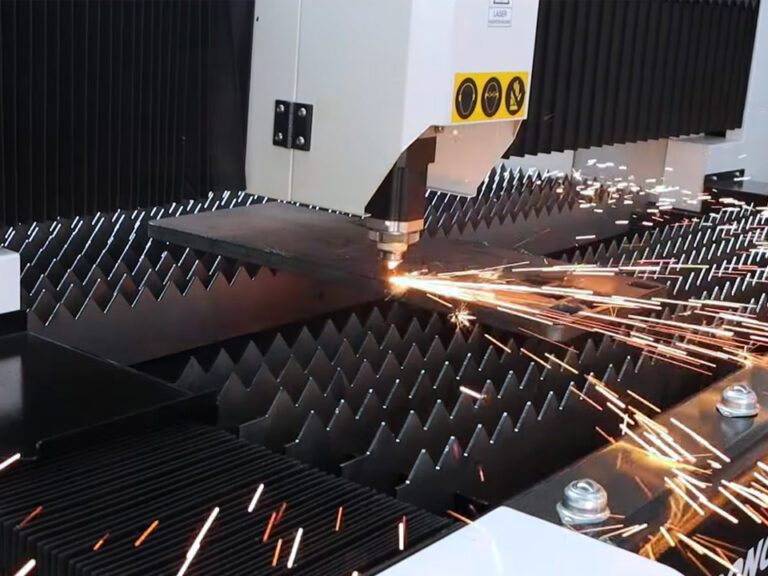
If your shop mainly cuts thin stainless covers, vented enclosures, clean cabinet panels, and fine-feature sheet metal, a smaller, better-tuned platform may beat a giant underused machine every single month on actual profitability. If you’re pushing thicker stock, bevel work, longer shifts, and heavier production loads, sure, high-power platforms start to make more sense. But too many people buy tomorrow’s machine with today’s order book.
That gap gets expensive fast.
Perguntas frequentes
What is a fiber laser cutting machine used for in industry?
A fiber laser cutting machine is an industrial metal-cutting system that uses a fiber-delivered laser beam to cut sheet, plate, or sometimes tube with high speed, fine feature control, and low tooling dependence, especially in production environments where part variety, dimensional repeatability, and fast design changes matter.
In real factory work, it’s commonly used for electrical cabinets, server chassis, HVAC parts, appliance panels, automotive prototype brackets, decorative stainless components, commercial fixtures, agricultural metal parts, and mixed-order job shop production where clean geometry and quick turnaround both matter.
How do I choose the best fiber laser cutting machine for industrial manufacturing?
The best fiber laser cutting machine for industrial manufacturing is the machine whose power, bed size, acceleration, gas setup, software, and service support match your actual part family, material thickness, batch size, and downstream process needs rather than the machine with the largest advertised wattage or the lowest upfront quote.
Start with your real production data. Not dreams. Actual sheet sizes, actual thickness ranges in mm, actual monthly volume, actual tolerance demands, and whether you’re also cutting tube, beveling edges, or running cosmetic stainless. That tells you far more than brochure language ever will.
Is fiber laser better than plasma or mechanical punching?
Fiber laser is better than plasma or mechanical punching when the job demands finer geometry, tighter repeatability, faster changeovers, lower tooling dependence, and cleaner edge performance on thin to medium metal, especially where frequent revisions or many part numbers would make dedicated tooling inefficient.
But don’t turn that into a religion. Plasma still has its place in rougher heavier work, and punching can still dominate in repetitive high-volume patterns where tooling economics are already locked in and the part family barely changes.
If you’re comparing options for your own workload, review the full laser cutting machine application page and the main fiber laser cutting machine category. And if you already know your drawings, materials, and thickness range, reach out through Laser Bogong and ask a better question than “How many kilowatts?” That question alone won’t save you.


Clique quente
Entre em contato conosco
Aplicativo
©Copyright [bogonglaser.com]. BOGONG Laser Machine Supplier All Rights Reserved.