-
Strada Shunhua, città di Jinan, Shandong

Required Certifications When Importing Industrial Laser Machines
Importing a laser machine is not just a shipping job. It is a compliance test, and the buyer usually pays for the seller’s shortcuts.
This guide breaks down the certifications, declarations, and hard-proof documents serious importers should demand before deposit, before shipment, and before customs.

I’ve watched importers spend weeks comparing wattage, bed size, source brand, and price, then lose the deal in the most boring place possible: paperwork, labeling, and the one missing declaration that customs, an insurer, or a safety officer decides to care about after the machine has already landed on the floor.
And that is the hard truth, isn’t it?
When people search for industrial laser machine certifications, many of them are really asking a sharper question: “What can stop my machine from being sold, installed, cleared, insured, or used?” That is the right question. Not “Does it have CE?” Not “Can the supplier send a certificate?” Those are beginner questions. Real buyers ask whether the machine can survive customs review, site acceptance, liability review, and operator safety inspection in the country where it will actually run.
I’ll say this plainly. A PDF with a logo means very little. A machine with a real compliance file means everything.
For the U.S. market, laser products are still under FDA radiation-emitting product rules, and FDA states that import staff verify the manufacturer, report accession number, model designation, and annual report when applicable at entry. FDA also says imports staff use accession numbers to confirm that the manufacturer has at least complied with self-certification and reporting requirements. That is not marketing copy. That is the gate.
For the EU market, “CE” is not a decorative sticker. Under the EU machinery framework, the manufacturer must affix the CE marking, draw up an EU Declaration of Conformity, and keep technical documentation available for national authorities for at least 10 years. EMC and Low Voltage rules often sit alongside that core machinery obligation, and the Low Voltage Directive page explicitly includes laser equipment in scope.
So what should a skeptical importer actually demand?
First, stop treating “certification” as one thing. In this business, there are at least four layers: market-access compliance, electrical and safety conformity, laser classification and guarding, and customs entry documents. If a seller mixes them together, that is usually a red flag, not a convenience.
A buyer looking at a full-sheet cutter should not review documents the same way as someone buying a desktop marker. An enclosed Class 1 design has a very different risk profile from an open Class 4 setup. OSHA’s own materials make that distinction painfully clear: Class 4 systems can create eye, skin, fire, and airborne contaminant hazards, while OSHA also notes that ANSI Z136 standards are guidance, not federal regulations, even though they remain the working reference for laser safety programs. That gap matters because many suppliers talk as if “ANSI compliant” is a government license. It is not.
That is why I would check the machine in this order.
If the machine is going to Europe, I want the CE marking backed by a real Declaration of Conformity, not a vague “CE certificate” from some testing outfit nobody recognizes. I also want to know which legal acts the declaration covers. For many industrial laser machines, that usually means the machinery framework first, then EMC, then Low Voltage when the voltage range falls in scope. If a supplier cannot identify the exact directives or regulation on the declaration, they probably assembled the paperwork after the quote, not during engineering. And that usually means the risk assessment is weak.
If the machine is going to the United States, I want proof that the laser product reporting side is in order. FDA’s current guidance says that laser products certified using Laser Notice 50 on or before December 31, 2024 may still enter U.S. commerce afterward, but after that date newly certified products need to comply with the applicable FDA laser standards or the relevant portions of IEC 60825-1 Ed. 3 and related requirements, unless a variance applies. That changed the conversation. A lot of old sales language did not.
And yes, buyers miss this all the time.
They ask for “FDA certification,” which is sloppy shorthand. What they often really need is evidence that the manufacturer has handled the required product reporting and that the shipment can be matched to the proper accession and model information during import review. Saying “FDA approved” for an industrial laser machine is often inaccurate. Saying the machine has the proper FDA laser reporting trail is much closer to how the system works.
This is where a lot of sellers get exposed. If I ask for the technical file, risk assessment, electrical schematics, interlock logic, warning labels, user manual, bill of key safety components, and Declaration of Conformity, and they send me only a pretty brochure plus one CE page, I already know enough.
Here is the short version buyers can use in a real procurement review:
| Market | What buyers usually ask for | What serious buyers should ask for | Why it matters |
|---|---|---|---|
| European Union | “CE certificate” | CE marking, EU Declaration of Conformity, technical file, risk assessment, EMC evidence, LVD evidence where applicable | CE without supporting documentation is weak; authorities can ask for the file |
| United States | “FDA certificate” | Product report trail, accession number, model match, labeling, import declaration support, laser classification details | FDA import review checks report/accession data for regulated electronic products |
| Factory safety / insurer review | Safety glasses and a warning sticker | Interlocks, enclosure class, e-stop logic, extraction plan, guarding, operator instructions, maintenance procedures | Site safety failure can block use even after customs clearance |
| Buyer due diligence | A PDF test report | Complete document pack tied to the exact model purchased | Generic reports often do not match the delivered machine |
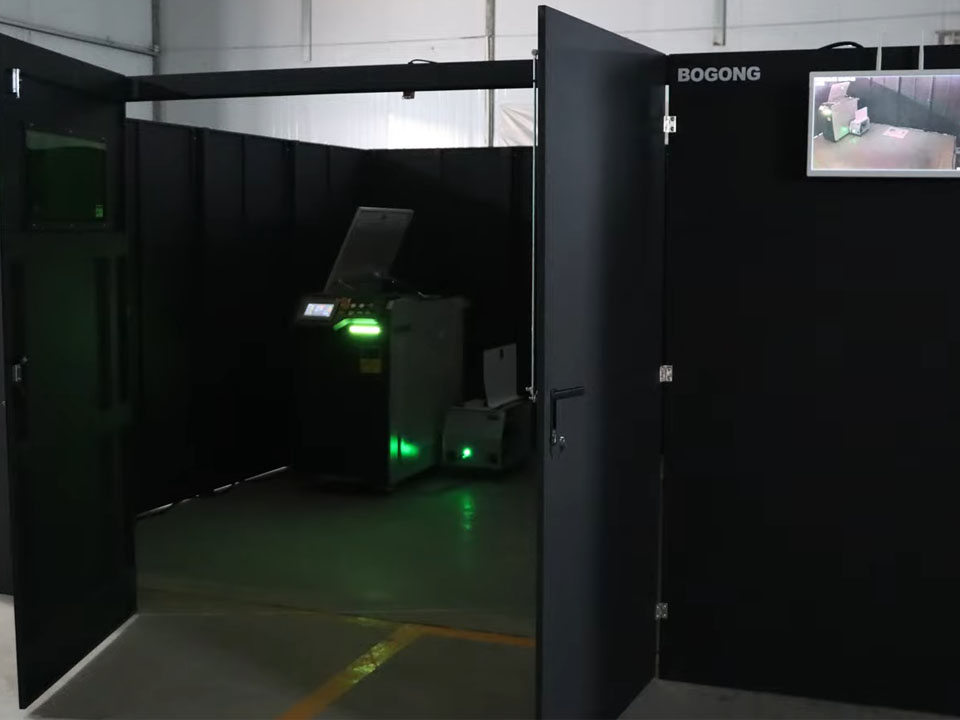
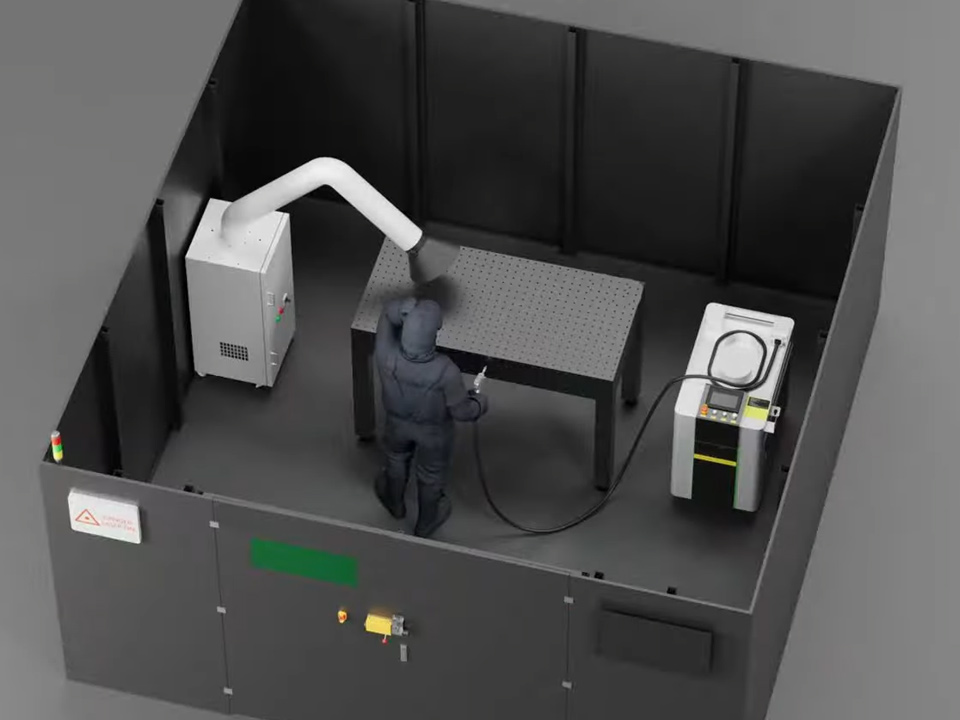
I also think many importers underweight the enclosure question. A lot of compliance pain starts because a buyer imported an open machine when their site, insurer, or local safety reviewer really needed an enclosed configuration with better guarding and interlocks. If you are reviewing an open cutting system or welding platform, it helps to compare the supplier’s safety architecture against something built for controlled access, such as a laser protective fence solution, rather than judging the machine on power alone.
The same goes for product category. A bench-top marker, a handheld welder, and a high-power cutting table are not the same paperwork problem. A buyer comparing a macchina per il taglio laser in fibra against a best handheld laser welder or a macchina per la pulizia del laser a impulsi should expect different hazard controls, different guarding assumptions, different manuals, and different import questions. Anyone promising one identical “certificate pack” for every laser product line is telling you, by accident, that they do not manage compliance at model level.
Now let’s talk about recent enforcement pressure, because the market got less forgiving, not more.
The EU’s 2024 Safety Gate report recorded 4,137 validated alerts, the highest level since the system began and almost double the 2022 figure. That does not mean your industrial laser cutter is automatically in the same enforcement bucket as every recalled consumer gadget. It does mean market surveillance across product safety got more active, and lazy documentation is now more likely to be noticed than it was a few years ago.
Because once enforcement rises, importers stop asking “Can we get away with it?” and start asking “Can I defend this file if customs, a customer, or an investigator opens it?” That is a very different standard.
My own rule is simple. Before deposit, I want document names. Before balance payment, I want document copies. Before shipment, I want the machine labels, serial format, and declaration model name to match exactly. No excuses. No “same as previous.” No “our engineer said okay.”
And here is another thing buyers rarely hear from salespeople: some documents are not certificates at all, but they matter more than the certificate-looking ones. A proper risk assessment can tell you more about supplier seriousness than a dozen badges. A wiring diagram can tell you whether safety was designed or improvised. A manual can reveal whether the seller understands lockout, alignment hazards, fumes, reflections, maintenance exposure, and operator misuse. That is why I would spend more time reading the technical pack than admiring the front cover.
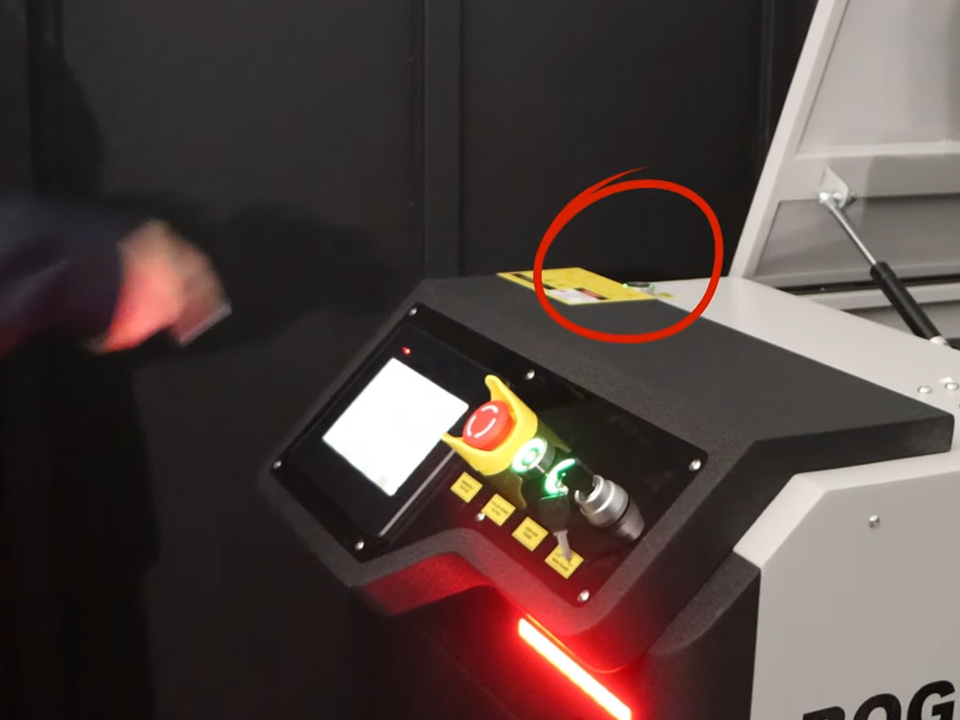
If you are still early in vendor selection, the best move is to pressure-test the seller on document consistency. Ask for the declaration, technical file index, machine nameplate sample, warning labels, and manual pages for the exact model. Then compare them against the machine category you are buying. A vendor that actually builds and documents its systems will answer cleanly. A vendor that outsources truth will wobble.
For buyers who want a broader sense of machine categories before narrowing the compliance checklist, it helps to review the supplier’s laser products catalog e laser machine application pages first, then request the paperwork for one exact model rather than asking general questions that invite vague answers.
Here is the document pack I would ask for before I send serious money:
The Declaration of Conformity or equivalent market document tied to the exact model. The applicable legal acts named in full. The technical documentation index. The risk assessment. The machine electrical drawing. The laser classification basis. Label artwork or photos. Interlock and e-stop description. Manual. Packing list with model number. Commercial invoice and customs description. And, for U.S.-bound machines, the reporting and accession trail needed for FDA-reviewed import entry support.
What do I distrust most?
Third-party test reports that do not match the sold machine. Declarations with the wrong company name. “FDA certificates.” CE documents without the directive set. Manuals copied from another model. Labels that say one power level while the invoice says another. And any seller who cannot explain whether the delivered machine is open-beam, enclosed Class 1 style, or a higher-risk system requiring stronger site controls.
That last point is not academic. OSHA notes that ANSI Z136 standards are voluntary consensus standards, but employers still use them as the practical frame for worker protection. So even when a machine clears import, the buyer may still face site-level demands around guarding, eyewear, signage, training, extraction, and controlled access before anyone turns it on. Customs clearance is not operational clearance. Too many importers learn that late.
Domande frequenti
What certifications are needed to import an industrial laser machine? The required certifications for importing an industrial laser machine usually include market-specific conformity documents, laser safety documentation, electrical safety compliance, and import entry declarations tied to the exact machine model, with CE-related documents common for the EU and FDA laser reporting evidence commonly needed for U.S.-bound laser products. In practice, that means EU buyers often need CE marking support through an EU Declaration of Conformity plus technical documentation, while U.S. buyers often need proof that the laser product reporting trail, accession number, labeling, and model information are in order for FDA-reviewed import entry.
Is CE certification enough for a laser machine entering Europe? CE marking alone is not enough because the real compliance burden sits behind it in the Declaration of Conformity, technical documentation, risk assessment, and the specific EU legal acts that apply to the machine, such as machinery, EMC, and sometimes low-voltage requirements depending on the design and voltage range. If a supplier gives you only a one-page CE paper and cannot show the supporting file, you should treat that as incomplete, not finished. The EU framework expects the manufacturer to keep technical documentation available for authorities for at least 10 years, and that is the paper trail serious importers should verify before shipment.
Do industrial laser machines need FDA approval in the United States? Industrial laser machines usually do not fit the casual phrase “FDA approval” the way buyers use it; what matters more is whether the product falls under FDA radiation-emitting electronic product rules and whether the manufacturer has completed the required reporting, labeling, and accession-related import support tied to the exact model being imported. That distinction matters because buyers often ask for the wrong thing. FDA says import staff verify information such as the manufacturer, report accession number, model designation, and annual report when applicable, so the safer question is whether the reporting and entry package is complete, not whether someone can email you a generic “FDA certificate.”
How can I verify laser machine certifications before import? The best way to verify laser machine certifications before import is to match every document to the exact model, manufacturer name, safety architecture, market destination, and shipment data, then cross-check whether the declarations, labels, manuals, and technical file elements describe the same machine rather than a similar machine from the same supplier. I would verify the model number, company legal name, declared directives or regulations, voltage, laser class, enclosure type, and supporting drawings before deposit and again before shipment. If the invoice, nameplate, declaration, and manual do not align line by line, the file is not ready. That is the kind of mismatch customs brokers and safety reviewers catch fast.
What customs documents matter when importing laser machines? The customs documents that matter for importing laser machines usually include the commercial invoice, packing list, HS classification support, country-of-origin details, transport documents, importer declaration forms, and any market-specific compliance declarations that customs or related agencies may review during clearance or admissibility checks. For U.S.-bound regulated electronic products, FDA says entry review may include checks on manufacturer identity, accession number, model designation, and annual reporting status where applicable. For EU entry, the customs side and the product-compliance side are different steps, but both can hurt you if the documentation is inconsistent.
If you’re evaluating suppliers now and want to pressure-test one exact model, send the model link, destination market, and offered document pack, and I’ll turn it into a buyer-side compliance checklist you can use before payment.


Click a caldo
Contatto
Applicazione
©Copyright [bogonglaser.com]. BOGONG Laser Machine Supplier All Rights Reserved.